Taylance Tech
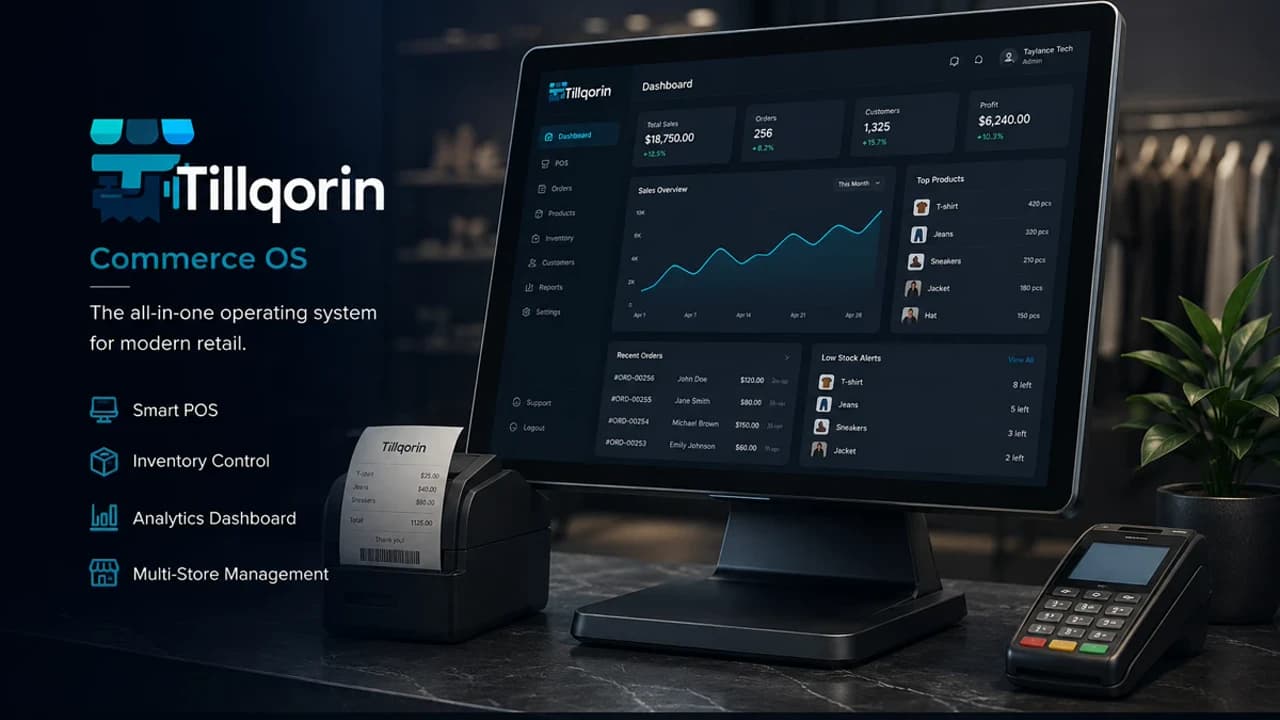
Tillqorin — POS & Commerce OS for Retail
- Unified sales, purchase, inventory, and accounts in one product
- Analytics dashboard with revenue, expense, and net profit trends
- Thermal, A4, and A5 invoice printing with branded receipts
Taylance Tech is a custom software development company that keeps engineering, UI/UX design, and AI automation in-house. The people building your product are the ones you actually talk to — from the first call to launch and beyond.
10+
Projects Shipped
100%
In-House Build
2026
Founded
Remote
Worldwide Delivery

Commerce OS for retail & wholesale
Tillqorin is Taylance Tech's in-house POS and billing platform — sales, purchases, inventory, accounts, analytics, and thermal receipts in one fast web app. Built and operated by Taylance Tech at pos.taylancetech.com.
What We Do
Six things we do well — from the first wireframe to a product that's live, fast, and easy to find.
Why Taylance Tech
We're small on purpose. You work with the engineers and designers doing the actual building — no account managers, no handoffs, no telephone game.
You work directly with the engineers and designers building your product — the same team from kickoff through launch, not a rotating cast.
We ship in short cycles and keep you in the loop, so you see the product take shape instead of waiting for a big reveal.
Architecture designed to grow with your product — from MVP to larger usage without unnecessary rewrites.
Ongoing maintenance and quick responses when you need help after launch.
Our Process
The same four stages we use on client work and our own products — discovery through deployment.
Step 01
We get clear on your goals, your users, and the technical constraints, then agree on scope before anyone writes code.
Step 02
Wireframes, prototypes, and UI systems from our in-house designer — aligned with engineering before build starts.
Step 03
We build in modern frameworks, write tested code, and keep performance in mind from the start rather than bolting it on later.
Step 04
We launch with proper CI/CD and monitoring in place, then stick around to fix, tune, and improve after go-live.
Project outcomes
Outcomes from real products we've built and launched — see the full breakdown in each case study.

Taylance Tech

Taylance Tech

Taylance Tech
FAQ
Everything you need to know about partnering with us for your next software project.
Timelines vary depending on scope and complexity. A highly optimized marketing website typically takes 4–6 weeks, while a full SaaS platform or custom web application can take 3–8 months. During our initial consultation, we'll provide a detailed technical roadmap and timeline tailored to your specific requirements.
We offer both fixed-price and time-and-materials engagements. Fixed-price works well for well-defined scopes (like corporate websites or specific MVP builds), while time-and-materials provides flexibility for iterative product development and ongoing feature rollouts. We'll recommend the optimal model after auditing your requirements.
Yes. We believe in building long-term partnerships. Post-launch, we offer Service Level Agreements (SLAs) for maintenance, including performance monitoring, security patching, library updates, and iterative feature enhancements based on real-user analytics.
Absolutely. For the right fit, we augment existing teams to accelerate delivery or provide specialized expertise (such as Next.js migration, AI workflow integration, or technical SEO optimization). We adapt to your CI/CD pipelines, Git workflows, and communication preferences.
Our core enterprise stack includes React, Next.js, Node.js, and TypeScript. For databases, we leverage PostgreSQL and MongoDB. We also integrate deeply with Supabase, AWS, Vercel, and modern AI APIs (OpenAI, Anthropic) to build highly scalable, future-proof architectures.
Tell us what you're trying to build. We'll give you an honest take on scope, timeline, and how we'd approach it — no pressure.
From the Blog
Published posts from our blog — only what we have actually written and shipped.

The holiday quarter quietly moved: 68% of shoppers now start early to avoid delays, and the season effectively runs September through December — which makes August, not October, your preparation window. Meanwhile, the summer data is flashing warnings: online traffic grew 18%, but orders grew just 1%, cart abandonment sits at 82%, and retailers name stockouts as their single biggest customer-experience risk. This is the six-week readiness plan for small retailers and store owners: mobile checkout, unified inventory, a shipping strategy that doesn't eat your margin, and the channels where this season's growth will actually happen.

On July 22, Google started sharing every US app's listing — name, icon, screenshots — with third-party app stores by default. A month earlier, it cut its famous commission to 10% on the first $1 million and opened the door to web checkout links. And buried in the paperwork is a deadline: from October 1, link-out transactions start incurring fees. The app economy's money rules just got rewritten in a single summer, and most app owners haven't opened the settings page where their answer is due. Here's what changed, the real math, and exactly what to do about each piece.

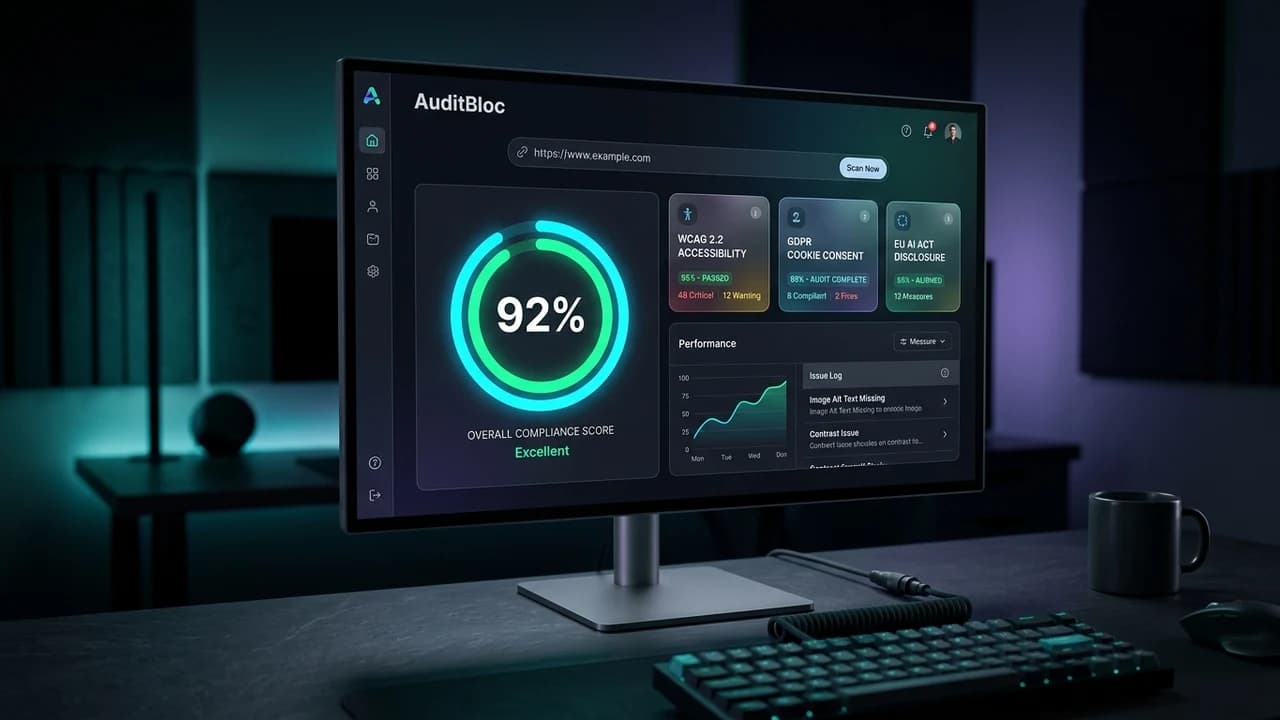
In June, a French court ordered retail giant Carrefour to make its website and app fully accessible within six months — €500 per day in penalties after that — and rejected "71% compliant" as a defense. In the US, over 5,000 accessibility lawsuits were filed last year, and 68% of the businesses sued make under $50 million. Meanwhile, the "install a widget" shortcut is getting companies sued AND fined. This is the plain-English guide to web accessibility in 2026: who's actually at risk, why the cheap fix backfires, the six errors behind 96% of failures, and how to fix them properly.